


Moving day means open doors
Moving is tiring for us, but for pets everything changes at once: new smells, new sounds, strangers coming in and out, and doors left open all day. That's when frightened pets most often bolt.
Step by step
1. Before: update their tag
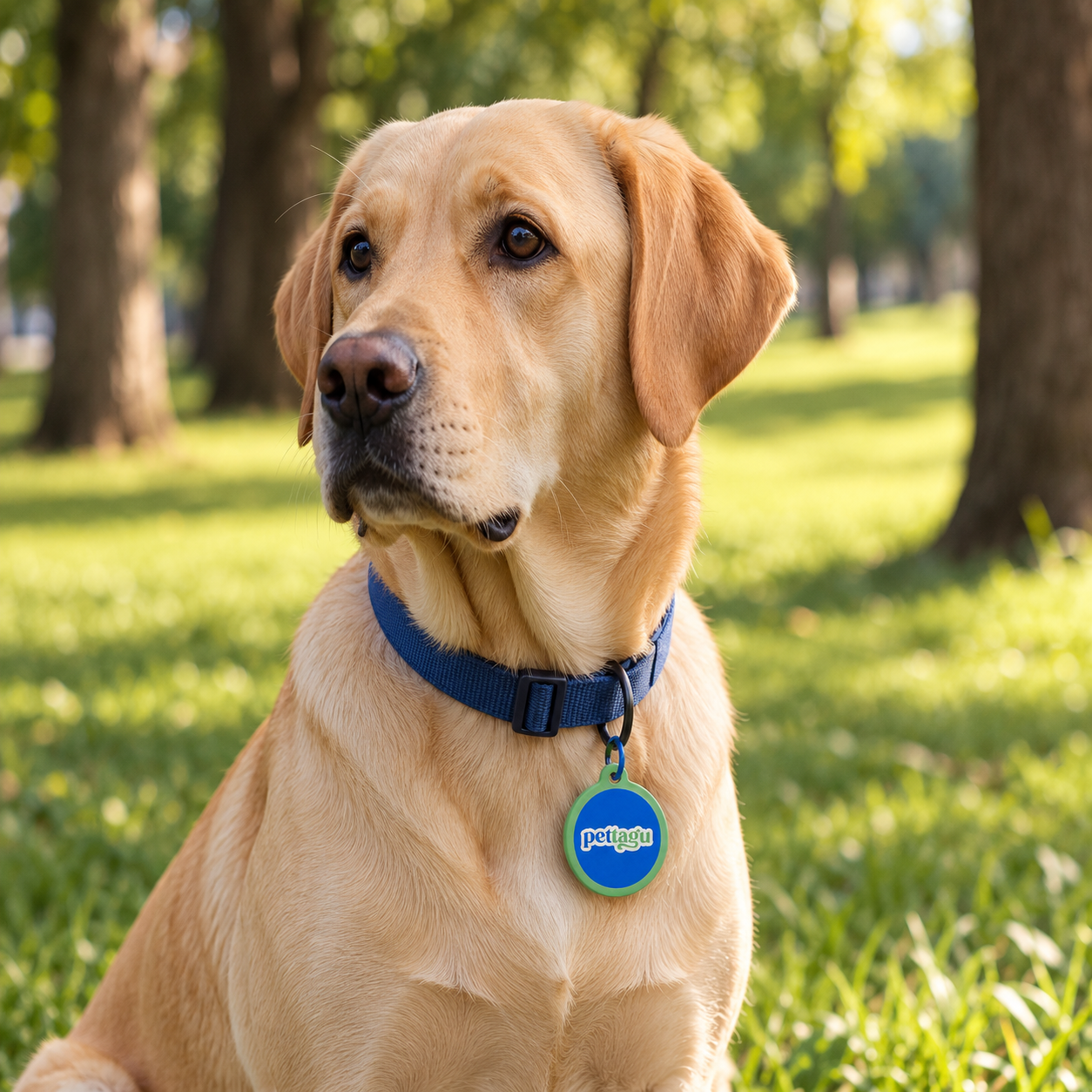
Make sure the number on their tag works. With Pettagu Tag you can update it in the app. If they're microchipped, update the registry too.
2. Before: get them used to the carrier
Leave the carrier out at home with a blanket that smells of them, so it isn't scary on the day.
3. Moving day: one closed room
Use a room that's already packed, close the door and put up a sign, or leave them with someone you trust.

4. Travel: carrier or lead at all times
Don't open the carrier in the car or on the way. Keep the collar and tag on.
5. New home: start with one room
Set up their bed, bowls, toys and litter tray in one room, then open up the rest of the house gradually.
After you move in
- Keep cats indoors for at least two weeks. Some try to go back to the old home.
- Walk dogs around the new area on a lead several times so they learn the smells and routes.
- Check fences and gates for gaps.
- Find a nearby vet and bring your pet's health records with you.
Sources
- RSPCA: Moving house with pets
- Cats Protection: Moving house with your cat
This article is general information. If your pet seems unwell or you're unsure, talk to a veterinarian.